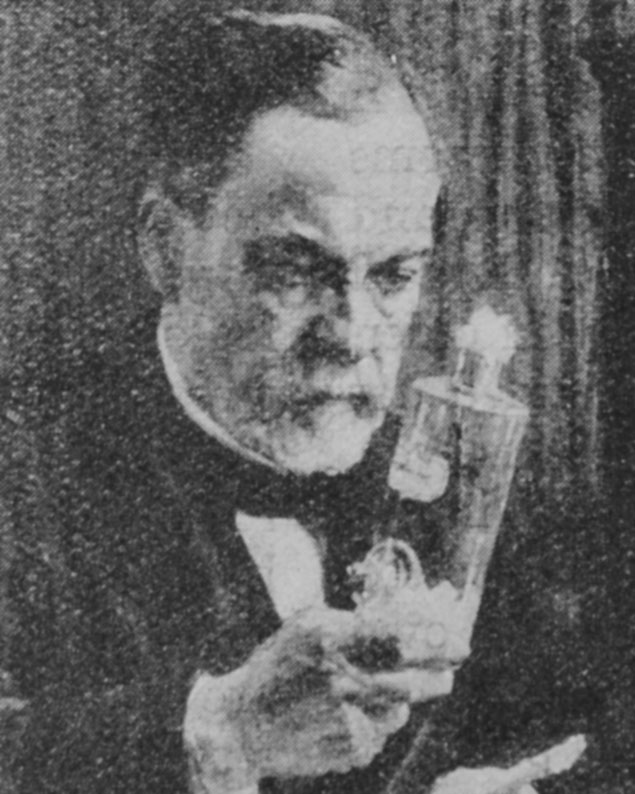
JUST over a hundred years ago two men were born whose work has done wonders for human beings. One was a French scientist called Louis Pasteur , and the other was an English doctor, Joseph Lister. Through the discoveries of these two men, and of others who worked after them, doctors are able to cure us of diseases, to prevent wounds from being poisoned by dirt, and to make operations painless by the use of chloroform. Before the time of these men, illness and operations were terrible experiences, but now they are not nearly so much to be feared. Among all the wonderful things in our lives, the work of the great doctors has given us most to be grateful for.
|
|
In very early days there were no doctors. If people were ill, they went to the priest to be cured, because they thought that the gods had sent the illness as a punishment for some evil they had done. The priest would give them a medicine made of herbs, or if it was an earache, for example, he would pour warm olive oil into the ear, but more important than this, he would murmur a magic charm, which was believed to relieve the sufferer. For a tooth-ache, which was thought to be a worm in the tooth, the priest would say “O Worm, may Ea smite thee with the might of his fist.”
As time went on people learned more about the healing properties of herbs and plants, and they also found out about the bones and the organs of the bodv. Among the Greeks and the Arabs there were clever doctors, who were no longer priests, and in the twelfth century an Arab doctor, called Averroes, wrote a big book all about medicine. But still, though people knew more about how to cure illness, they did not know how to prevent it, and people died in thousands from epidemics of plague and typhus fever. If you have read about the Great Plague in London, you will realise how little people knew about how to prevent illness even as late as the seventeenth century.
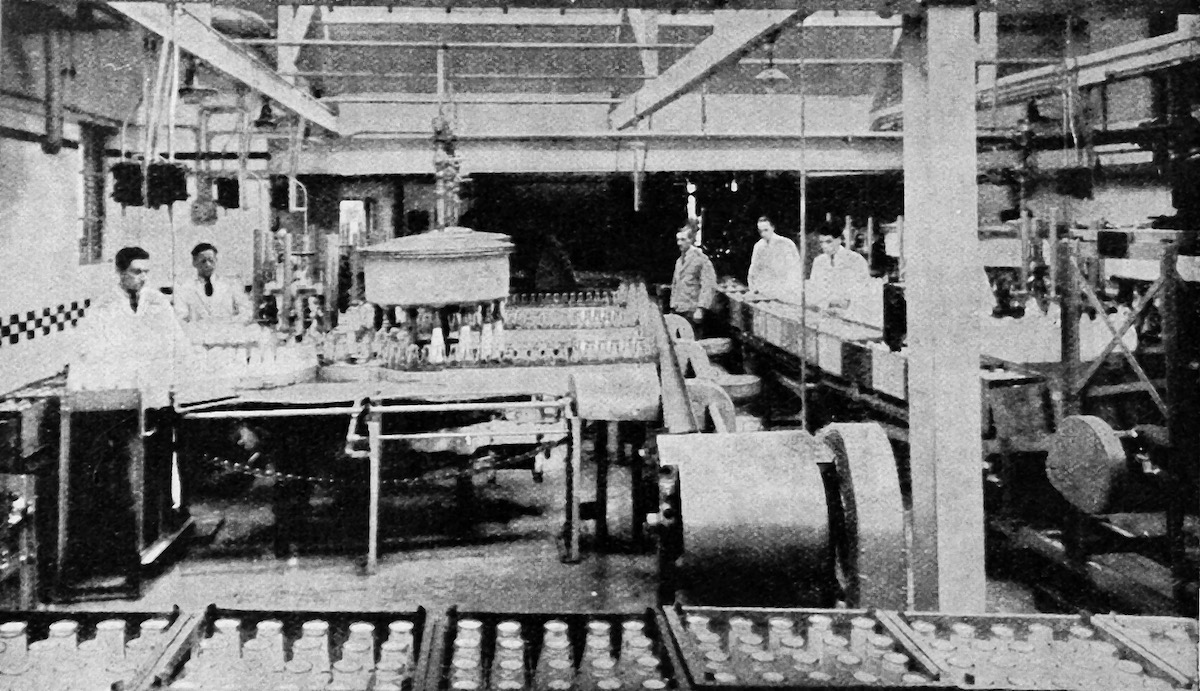
It was Louis Pasteur who found out the cause of disease, and so helped the doctors to find means to prevent it. He discovered that milk went sour, if kept for any length of time, because of the action on it of tiny living things which he called bacteria. He also found out that these bacteria could not live in more than a certain degree of heat, and that if the milk were heated up to a certain temperature it would go sour much less quickly. That is why we call milk treated in this way “pasteurised milk.”
Then he went on to study the diseases of silkworms, chickens, dogs, cattle and sheep, and found that in each case the disease or “going bad” in the animal was caused by living organisms similar to those in the milk. Better still, he found out how to protect the animals from the disease by inoculation, that is, by putting into the blood certain substances obtained from the dead bacteria of the disease. He was able in this way to save dogs from rabies, the disease which makes them mad, and to lessen the disease called anthrax among cattle.
|
The knowledge that Pasteur obtained from animals was then applied to human beings, and now many of the worst diseases from which people used to suffer have been nearly stamped out. Cholera and typhus fever are now almost unknown in England. Smallpox has been greatly lessened by means of vaccination, which is a form of inoculation discovered by Dr. Jenner about thirty years before Pasteur was born. Now doctors are trying to stop colds and influenza by means of inoculation. Much of what Pasteur did only doctors can understand, but one part of his teaching everybody can understand, and by carrying it out they can help to prevent disease. He showed that the bacteria of diseases throve in dirt, and that the less dirt there was the less bacteria there would be to cause disease. So, by keeping our bodies, our homes, our streets and public places clean, we can all help to prevent illness and aid the doctors in the work they are doing to cure illness and drive away pain.
|
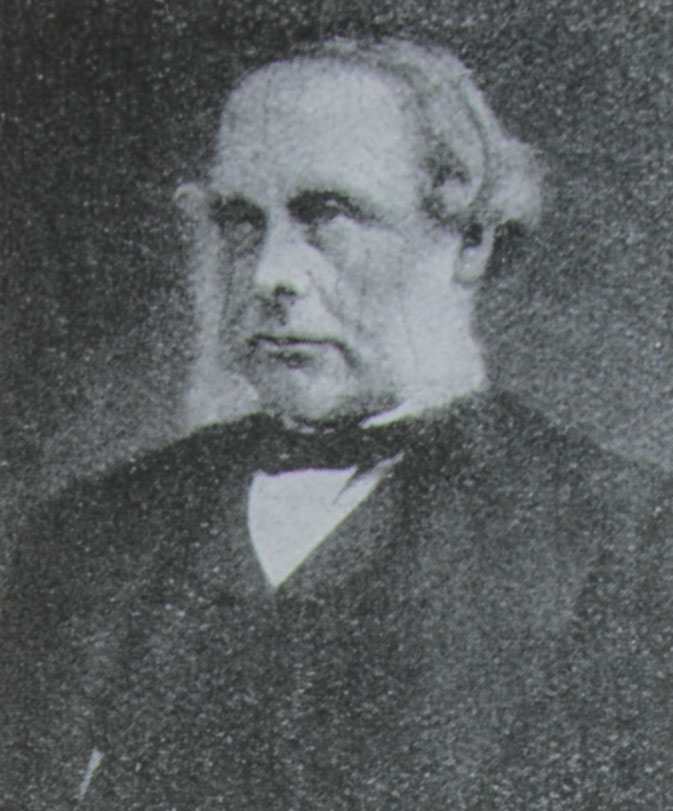
While Pasteur was working in France, Joseph Lister was studying another problem in England. Besides dying from disease, many people before Lister’s time died after an operation, such as the cutting off of a leg, because the wound became poisoned or septic. Lister came to the conclusion that this was due to bacteria which were carried by the air (which is always full of bacteria) or the surgeon’s instrument. After many experiments, he found out how to apply to the skin round the wound and to all the intruments, utensils and dressings used in an operation substances in which bacteria cannot live. Nowadays no operation, however slight, is performed without the use of such substances, which are called antiseptics or disinfectants, and we often use an antiseptic like iodine ourselves for a bad cut.
Since the days of Pasteur and Lister, other men have made discoveries which have been equally wonderful in preventing illness and pain. An Edinburgh doctor, James Simpson, began to use chloroform to put people to sleep while undergoing an operation. Sir Ronald Ross, who only died in 1932, and of whom you will read elsewhere in this book, proved that the bacteria of malaria were carried to the human blood by the bite of the mosquito, and now by stamping out the mosquito, many places have been entirely freed from malaria. To-day doctors, are experimenting with radium as a cure for cancer. Many people know very little about this; but in keeping the human bodv healthy, doctors are doing wonderful work.